

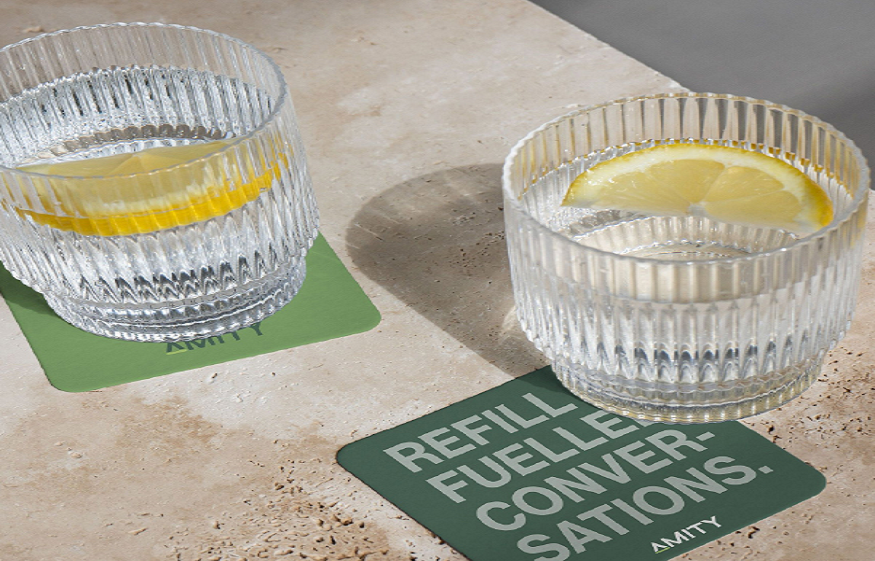
Custom printed coasters have become a popular way for cafés, bars, restaurants, and businesses to showcase their brand, create a memorable experience for customers, and add a touch of professionalism to their service. However, before investing in custom coasters Australia, it’s essential to understand how pricing works. Knowing the factors that affect cost can help business owners make informed decisions, ensure value for money, and achieve the desired visual impact without overspending, while also helping plan for future reorders, seasonal promotions, or special events that may require additional batches.
Why Businesses Choose Custom Coasters
Custom coasters are more than just functional items—they are marketing tools. They offer opportunities to reinforce your brand, advertise promotions, and engage customers in a subtle but effective way. Businesses often use coasters to highlight logos, special offers, or social media handles. For cafés and bars, a well-designed coaster can complement your décor, add professionalism to table settings, and enhance the overall customer experience.
Beyond aesthetics, coasters serve a practical purpose by protecting tabletops from drink spills, condensation, and heat damage. This combination of function and branding potential makes them a cost-effective marketing tool if chosen wisely.
Factors That Affect Custom Coaster Pricing
Several elements determine the cost of custom coasters. Understanding these factors helps businesses budget effectively and select a product that balances quality, style, and affordability while avoiding unexpected expenses that could impact profit margins.
Material Type
Coasters can be made from various materials, including cardboard, cork, wood, silicone, or premium stone. Each material has its own price range:
- Cardboard: The most affordable option, lightweight and suitable for disposable or short-term use.
- Cork: Slightly more expensive, durable, and eco-friendly.
- Wood: Offers a premium, rustic appearance, with higher costs due to material and finishing.
- Stone or Slate: High-end options for a sophisticated look, generally the most expensive.
- Silicone: Durable, reusable, and ideal for businesses that need long-lasting coasters.
Choosing the right material depends on your budget, branding goals, and intended usage.
Print Design and Complexity
Custom designs with multiple colours, intricate logos, or patterns require more advanced printing techniques and can increase the overall cost. Simpler designs with fewer colours are generally more budget-friendly, while multi-colour prints, full-bleed designs, or photographic images may require additional setup fees. Businesses should balance visual impact with cost efficiency to achieve the desired result.
Quantity Ordered
Ordering in bulk significantly reduces the cost per coaster. Most suppliers offer discounts for larger orders because production setup costs are spread across more units. For small businesses, ordering larger quantities initially can be a cost-effective strategy if storage is available and the design remains relevant over time.
Size and Shape
Custom coasters are available in standard round or square shapes, but unique shapes—like custom-cut logos or thematic designs—often come at a premium. Larger coasters require more material, which can also increase costs. Businesses should consider practicality and tabletop space when selecting size and shape, balancing aesthetics with functionality.
Finishing and Protective Coatings
Additional features, such as lamination, waterproof coatings, or embossing, can improve durability and appearance but may also raise the price. Protective finishes are particularly important for coasters in high-traffic environments like bars or restaurants, where spills and frequent use are common.
Turnaround Time
If you need coasters quickly, expedited production may involve additional fees. Planning ahead and allowing suppliers sufficient time to produce and deliver your order often reduces costs and ensures higher-quality output.
Additional Considerations for Cost-Effectiveness
Supplier Selection
Choosing the right supplier can significantly affect both price and quality. Comparing multiple suppliers, reviewing samples, and checking customer feedback ensures you get a product that meets your standards without overspending. Local suppliers may also offer lower shipping costs and more personalised service.
Reusability vs. Disposable
Deciding whether to invest in reusable or disposable coasters impacts long-term costs. Reusable coasters, such as cork, wood, or stone, have a higher upfront cost but last longer, reducing replacement frequency. Disposable cardboard coasters are cheaper per unit but may need to be reordered frequently, especially in high-volume cafés or bars.
Branding and Marketing Value
When evaluating costs, consider the potential marketing value of custom coasters. Well-designed coasters can reinforce your brand, promote events or social media accounts, and create memorable customer experiences. Investing slightly more in a high-quality design can yield long-term benefits through brand recognition, customer loyalty, and even social media sharing, which can amplify your return on investment.
Storage and Maintenance
Reusable coasters require storage space and occasional cleaning. Proper storage prevents damage and ensures longevity, further improving the cost-effectiveness of your investment. Businesses should factor in the practicality of coaster materials alongside the upfront price.
Tips for Making Coaster Purchases Cost-Effective
- Determine Purpose: Decide whether your coasters will be purely functional, promotional, or both. This guides material and design choices.
- Set a Budget: Understand how much you’re willing to spend per unit and overall. Include design, printing, shipping, and any finishing costs.
- Request Samples: Testing samples allows you to assess quality, durability, and print accuracy before committing to a full order.
- Order in Bulk: Take advantage of quantity discounts if storage and shelf-life are manageable.
- Consider Long-Term Use: Reusable coasters may have higher upfront costs but lower ongoing replacement expenses.
- Simplify Designs if Needed: Limiting colours and complex patterns reduces printing costs without sacrificing branding impact.
Conclusion
Custom coasters are an effective way for cafés, bars, restaurants, and other businesses to combine functionality with marketing. Understanding the factors that influence pricing—including material type, print complexity, quantity, shape, finishing, and turnaround time—ensures businesses can make informed purchasing decisions.
While the initial cost may vary, considering long-term use, branding value, and marketing potential makes custom coasters a worthwhile investment. Bulk orders, reusable materials, and simplified designs can help small businesses manage costs while still achieving professional, memorable results.
Ultimately, custom coasters are more than just protective items—they are a tool to enhance customer experience, reinforce your brand, and create a lasting impression. By carefully assessing pricing factors, planning purchases strategically, and factoring in potential future orders or seasonal campaigns, small businesses can achieve maximum value from every custom coaster, balancing aesthetics, durability, and cost-effectiveness in a single investment.