

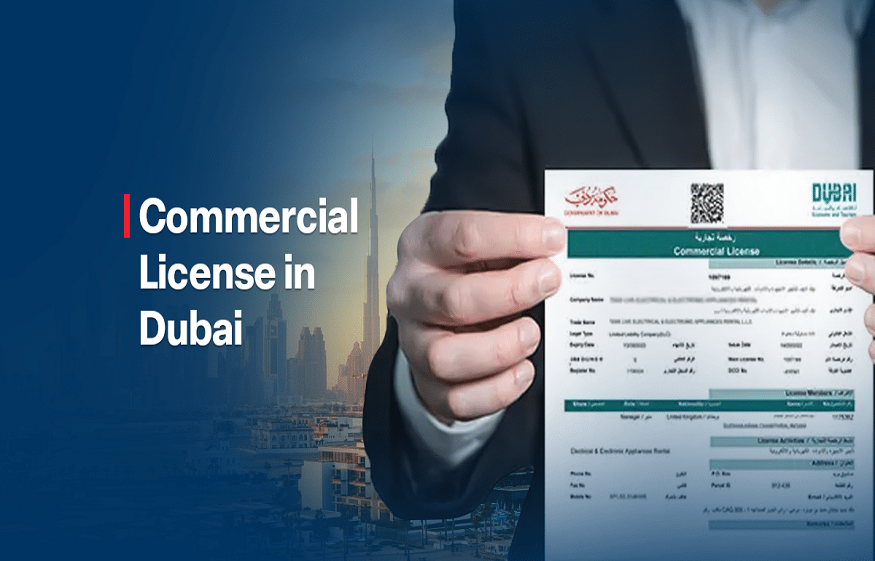
Securing your Dubai trade license is a major milestone, one that opens the door to new opportunities, customers and growth. But once the license is issued, many entrepreneurs quickly learn that staying compliant is just as important as the initial approval. Dubai’s regulatory landscape is well-structured and transparent, but like any jurisdiction, it comes with ongoing obligations that business owners must observe to avoid fines, penalties, or disruptions to their operations.
Whether you’ve chosen a mainland business setup in Dubai or are planning on setting up in a free zone, the post-license compliance requirements follow a predictable rhythm. The key is to understand what they are, when they apply and how to manage them efficiently.
Below is a complete, practical guide to help you stay compliant throughout your business journey.
1. Renewing your trade license on time
Trade license renewal is the most important annual requirement. The renewal date aligns with the original date of issue, and missing this deadline triggers late penalties, potential inspection notices, and, in rare cases, even suspension of your license.
A few reminders that help business owners stay on track include:
- Marking your renewal date at least one month in advance
- Ensuring your tenancy contract is valid for at least one year at the time of renewal
- Clearing any outstanding government fees before submitting your renewal request
Timely renewals help your operations keep running in a smooth manner and protect your company’s ability to sign contracts, sponsor visas, and maintain corporate bank accounts.
2. Keeping your office or workspace contracts valid
For mainland companies, a valid Ejari is non-negotiable. If your Ejari expires before your trade license renewal, the system will block your application. Free zone companies follow a similar rule: your office lease within the free zone must be active and updated. This may sound simple, but it is often one of the most common reasons for delayed renewals. Schedule your lease renewal early and ensure your documents are aligned with your licensing authority’s requirements.
3. Updating your corporate account when changes occur
Businesses evolve. Directors change. Partners join or leave. Share capital may be amended. Activities are sometimes added or removed based on market needs. All of these changes require formal updates with the relevant authority.
Typical changes that require immediate reporting include:
- Change of company name
- Amendments to shareholder or ownership structure
- Modifying business activities
- Shifting your office location
- Updating manager or director appointments
Failing to update company documents can create complications during audits, renewals, bank transactions and immigration processes.
4. Filing corporate tax returns and maintaining records
With the introduction of corporate tax in UAE, every company must maintain accurate records and file annual returns. Even businesses not generate profit are expected to complete filing requirements. It helps to:
- Maintain financial statements that reflect income, expenses, assets, liabilities and equity
- Keep accounting records for at least seven years
- File your corporate tax returns on time, as delays automatically trigger penalties
- Many business owners now choose to work with professional accountants to ensure accuracy, especially during audits or tax assessments
5. Staying VAT Compliant
If your taxable income exceeds AED 375,000 annually, VAT registration is mandatory. Once registered, your business must:
- File VAT returns every quarter
- Maintain proper invoicing standards
- Ensure accurate record keeping
- Submit payments by the deadline
For companies below the threshold, voluntary registration is an option if it supports business growth or supplier relationships.
6. Ensuring employee and immigration compliance
HR and immigration requirements are another critical layer of post-license compliance. If your company sponsors employees, you must:
- Renew visas before expiry
- Renew labour contracts and Emirates ID
- Maintain a compliant salary transfer record via the wages protection system (WPS)
- Follow Ministry of Human Resources and Emiratisation (MoHRE) regulations
Companies that overlook these requirements risk fines, blocks on the new visas and unnecessary operational delays.
7. Managing Ultimate Beneficial Owner (UBO) Requirements
Every company in Dubai must provide updated UBO information. If changes to the shareholding structure are required, these updates must be reported within the timeframe specified by the authorities. Maintaining UBO compliance ensures alignment with UAE anti-money-laundering regulations and protects your business during audits.
8. Working with a trusted corporate services provider
Finally, navigating compliance tasks may feel overwhelming if you are handling everything alone. Many entrepreneurs partner with professional corporate services providers to ensure nothing slips through the cracks. A reliable services provider can:
- Track renewal timelines
- Prepare and file government documents
- Safeguard your financial and tax compliance
- Handle immigration updates
- Act as a point of contact for authorities
In conclusion, maintaining compliance after obtaining your Dubai trade license is not difficult. It just requires structure, timely action and a clear understanding of the rules, whether your journey began with mainland business setup in Dubai or in one of the many free zones. Staying compliant protects your license, your team and your reputation.