

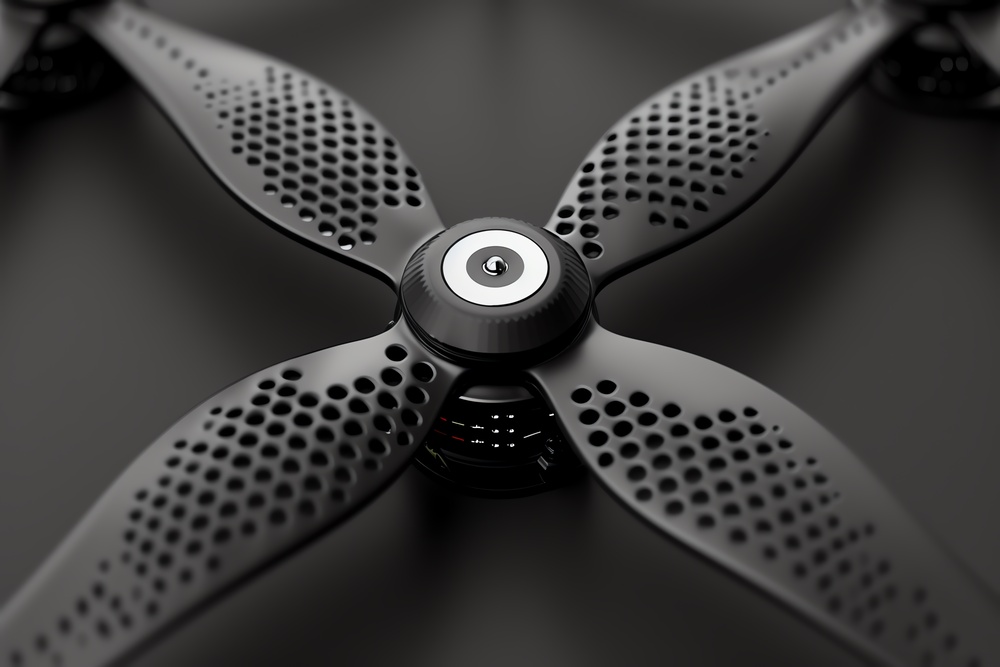
Short answer, yes. A defect you’d need decent light and a steady hand to even locate can put a drone into the dirt. They look tough, these machines. They rip around the sky like nothing could touch them. Underneath that, though, they’re fussy things, and one bad few seconds on an assembly line can follow a drone all the way up into the air.
Everything Depends on Everything
A drone is able to fly because all of its components work together in harmony. Motors, blades, frame, battery, the wiring threaded through all of it. They lean on each other constantly. So when one component is hiding a defect, there’s nothing else in the system able to pick up the slack.
Read More: How to Start a Weekend Reselling Side Hustle in Georgia
The chain comparison gets used a lot, and for once it’s earned. Eleven strong links and one bad one still gets you a failure. A crack nobody spotted. A thin patch in the plastic. A blade sitting a hair off true. Those stay perfectly quiet right up until the drone starts working hard, which is the instant the motors wind up to full throttle.
Small Flaws Don’t Stay Small
That’s the bit people miss. Flaws grow. A hairline crack in a propeller doesn’t just sit there behaving itself. Centrifugal force tugs at it and opens it a little further every rotation. Vibration works it loose. Heat softens the material around it. Run that long enough and you’ve got a snapped blade at forty feet.
Read More: How Material Innovation Is Extending Aircraft Lifecycles
Trapped air behaves the same. Suppose a bubble gets sealed inside a part during layup. On the shelf it’s harmless, totally inert. Load it with the stress of actual flight and now it’s a soft spot waiting to collapse. Pressure finds weakness, always, and flying is pressure applied over and over again.
Precision Is the Whole Ballgame
Which is why how a part gets built matters as much as what it’s built from. Careful manufacturing catches problems early, well before anything ships. Blades get weighed. Spun up and checked. Layers go down clean so voids and bubbles don’t get a chance to hide in there. The idea is simple enough. Kill the flaw before it has room to grow. The better custom propeller manufacturers for UAVs treat that work as a science rather than a formality. This is where companies like Aerodine Composites excel in getting the little details right. Everything is gauged, analyzed, and finessed until they’re sure that it will withstand actual forces of flight. All that meticulousness in the workshop ensures that there won’t be any unpleasant surprises in the air.
What Cutting Corners Really Costs
Skip the inspections and you’re rolling dice. The bargain part saves you money today, sure. Then a crash writes off an expensive airframe, destroys a camera, or hurts somebody who happened to be standing underneath. Suddenly those savings look considerably less clever. This is a safety question, not a performance one. Trust factors in too. People put drones on jobs that genuinely matter. Bridge inspection. Mapping farmland. Shooting footage there’s no other way to get. A failure halfway through work like that isn’t an inconvenience, it’s a blown project and somebody left holding the bag. Parts you can rely on keep that scenario off the table entirely.
Conclusion
So, can one tiny flaw bring down a whole drone? Absolutely. In a machine where each part depends on the next, sloppy work has nowhere to hide and nothing to hide behind. Small defects snowball, and they snowball quickly. That’s the real reason careful building isn’t a premium add on. It’s the difference between a drone that flies and one that falls.