

Commercial jets cost millions. Airlines depend on decades of flights for revenue. But airplanes take a beating. Metal develops cracks. Components wear down. Salt air eats through aluminum. Scientists keep finding better ways to fight these problems. To that end, planes now stay profitable far longer than anyone expected twenty years ago.
New Materials Fight Old Problems
Corrosion wrecked older aircraft. Ocean air attacks metal. Water seeps into cracks. Cleaning chemicals strip away protective layers. Aluminum needs constant attention to prevent decay. Today’s composites shrug off these attacks. Carbon fiber materials don’t rust. Water can’t get inside them. The same chemicals that eat aluminum barely touch composites. Less rust means fewer repairs. Fewer repairs save money and keep planes flying.
Metal gets tired. Bend a paperclip back and forth until it snaps. That’s fatigue failure. Aircraft parts face the same problem after millions of flights. Composites handle repeated stress better than metals. They spread forces throughout their structure rather than letting stress pile up at weak spots. Some actually toughen up after repeated loading, which sounds backwards but works.
Read More: STACKINSAT PHONE NUMBER: 01 88 33 24 93
Temperature swings used to cause major headaches. Some tarmacs hit 150 degrees. Cruising altitude drops to minus 60. Metals expand in heat and shrink in cold. Bolts loosen. Seals crack. Gaps open up. Modern materials barely notice temperature changes. They hold their shape whether baking in desert sun or freezing at 40,000 feet.
Wing flex tells the story. Old aluminum wings bent a few feet during flight. Today’s composite wings bend much more, sometimes 20 feet or more. But they spring back perfectly every time. That flexibility prevents cracks that would destroy metal wings.
Smart Repairs and Maintenance
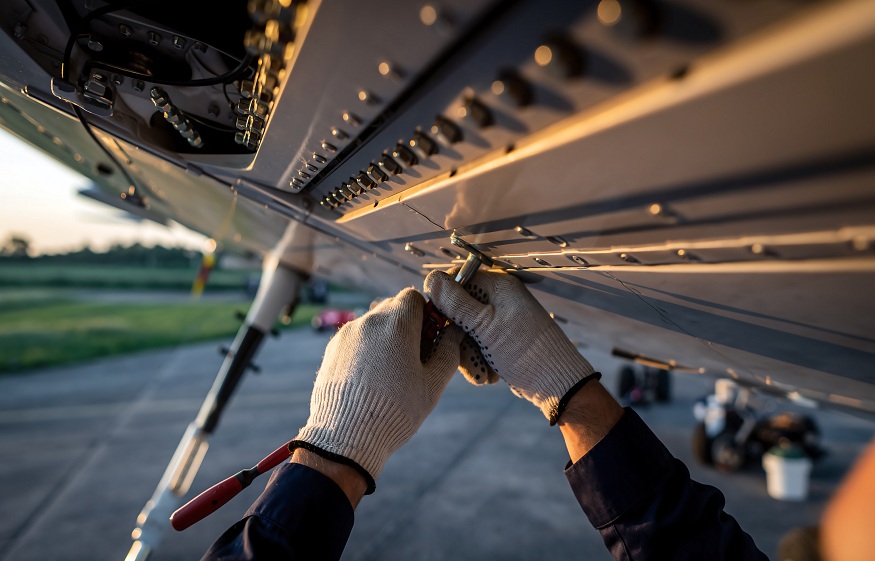
Fixing aircraft is now easier and better. Old repairs meant drilling out rivets, cutting away damaged metal, and bolting on patches. Every patch added weight. Every rivet created a new failure point. Adhesive bonding changed everything. Axiom Materials is an epoxy film adhesive supplier for aerospace composites that make seamless repairs possible. Their adhesives let maintenance crews bond patches that become part of the original structure. Repairs finish faster since these adhesives cure at room temperature instead of needing giant ovens.
Some materials now fix themselves, which sounds like science fiction but isn’t. Tiny capsules inside the material hold repair chemicals. Cracks break the capsules open. The chemicals flow out and harden, sealing the crack. Airlines haven’t started using these yet, but testing looks promising. Paint does more than look pretty now. Advanced coatings block water completely. Ice can’t stick to some surfaces. Dirt slides right off others. A few coatings actually change color when damage occurs underneath. Inspectors spot problems without removing anything.
The Economics of Longer Lifecycles
Money drives everything in aviation. Airlines that keep planes flying longer make more profit. Simple math. Buy a plane for 200 million. Fly it for 20 years. That’s 10 million annually. A 30-year stretch cuts the annual cost to under 7 million. Savings fund fuel, crews, and lower fares. Well-maintained materials burn less fuel too. Smooth surfaces slip through air easier than rough ones. Light structures need smaller engines. Every pound removed through better materials means another paying passenger can board.
Building fewer replacement planes helps the planet. Aircraft factories consume massive amounts of energy and raw materials. Keeping existing planes flying reduces manufacturing pollution. Everyone breathes cleaner air.
Conclusion
Progress won’t stop. Labs cook up stronger materials every month. Tomorrow’s tech will make today’s wild ideas standard. Companies that embrace new tech will leave their old-school rivals in the dust. New materials will extend aircraft lifespans. Forty-year-old planes might become normal. Fifty years isn’t crazy anymore. Flying gets cheaper and cleaner when planes last longer.